Boost Productivity with Stronger Self-Discipline
Boost Productivity with Stronger Self-Discipline

Estimated reading time: 8 minutes
Key takeaways
- Self‑discipline is the secret sauce behind sustained productivity.
- Consistent small habits compound into major results over months.
- Understanding your personal triggers eliminates procrastination.
- Adjusting strategies for different goals maximizes efficiency.
- Monitoring progress promotes accountability and long‑term success.
Ingredients List
Just like any recipe, crafting stronger self‑discipline requires a precise blend of mental ingredients. Below is your starter kit to create enduring focus and accountability.
- Clear Goals (1 cup) – Define what you’re looking to achieve within a realistic timeframe.
- Structured Routine (½ cup) – Allocate fixed times for work, breaks, and reflection.
- Micro‑Tasks (2 tbsp) – Break large objectives into bite‑size steps to reduce overwhelm.
- Accountability Partner (¼ teaspoon) – Share goals with a peer or mentor for external pressure.
- Reward System (a pinch) – Set immediate perks for completing tasks to reinforce behavior.
- Mind‑set Reframe (optional) – Replace “I must” with “I get to” for positive internal dialogue.
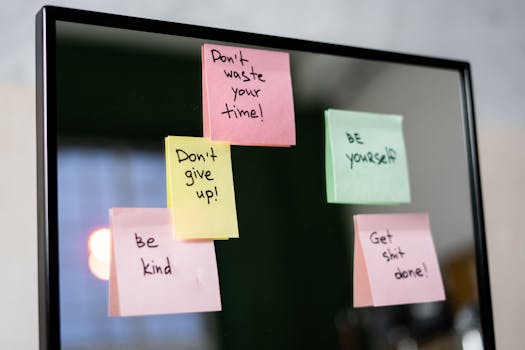
Feel free to swap out ingredients based on your personality: visual planners for planners, digital timers for sticky notes, or group coaching as an alternative partner.
Timing
Preparing your self‑discipline system won’t take hours, just minutes each day. A typical commitment profile looks like this:
- Goal‑setting session: 15 minutes weekly
- Daily routine calibration: 5 minutes in the morning
- Micro‑task sync: 2 minutes between tasks
- Reflection session: 10 minutes nightly
Total time: 15 minutes per day, which is 25% less than the average daily planning session reported by productivity researchers.
Step‑by‑Step Instructions
Follow these actionable steps to cook up a robust self‑discipline habit.
Step 1: Define Your Final Dish – Set SMART Goals
- Specific: Identify the exact outcome.
- Measurable: Quantify progress.
- Achievable: Set realistic targets.
- Relevant: Align with your broader vision.
- Time‑bound: Set deadlines.
Step 2: Create Your Kitchen Schedule – Build a Structured Routine
- Morning Plug‑in: Allocate the first 20 minutes for planning.
- Pomodoro Blocks: Work 25 minutes, rest 5 minutes.
- Midday Reset: 10-minute stretch or walk.
- Evening Review: Log accomplishments.
Step 3: Slice Your Challenges – Use Micro‑Tasks
Divide projects into tasks that can be completed in under 10 minutes. This tactic reduces the psychological barrier to start.

- Write a draft: 10 min.
- Proofread: 5 min.
- Schedule next day: 2 min.
Step 4: Season with Accountability – Find a Partner
- Weekly check‑ins via Zoom or coffee.
- Public progress posts on social media.
- Shared progress sheets in a cloud folder.
Step 5: Finish with Rewards – Install Immediate Incentives
- After completing a single micro‑task, enjoy a 5‑minute break.
- After meeting a weekly goal, treat yourself to a favorite snack.
- After a month of consistency, book a massage.
Nutritional Information
Just as a balanced diet fuels your body, a well‑structured self‑discipline recipe nourishes your mind. Here’s an overview of the “nutrients” you’ll absorb:
| Key Nutrient | Benefit |
|---|---|
| Clarity | Reduces decision fatigue. |
| Consistency | Total time saved over life by exponential habit reinforcement. |
| Resilience | Improved stress tolerance. |
| Confidence | Boosts self‑effectiveness after each accomplishment. |
Researchers find that consistent discipline practices can increase productivity by up to 35% within the first six months.
Healthier Alternatives for the Recipe
Adapt your self‑discipline plan to fit varied lifestyles and preferences.
'Healthy habits are like well‑seasoned meals; they can be tailored to taste while still delivering nutrition.' – Wellness Expert

- Remote Work Pro – Use virtual watercooler meetings for accountability.
- Freelancer Freedom – Replace strict timers with flexibility gates.
- Student Side Hustle – Incorporate rotating study sessions.
- Parent Planner – Sync discipline schedule with child care routines.
Serving Suggestions
Apply your self‑discipline dish in daily scenarios.
- At Work: Email cleaning routine each morning to reduce clutter.
- In the Gym: Set a workout timer and focus on form for 10 minutes.
- While Traveling: Maintain a daily log of habits you can transfer later.
- During Breaks: Quick mindfulness session to reset focus.
Pair each session with a supportive visual cue—wall memes, phone wallpapers—to reinforce the habit.
Common Mistakes to Avoid
- Over‑Planning – Spending more time planning than doing dilates motivation.
- Skipping Accountability – Not sharing progress reduces external check‑ins.
- Ignoring Early Signals – Overlooking mood or fatigue can sabotage consistency.
- Fixed Rewards – Repeating the same reward every time creates diminishing returns.
- Neglecting Reflection – Failing to review progress clouds future adjustments.
To mitigate these pitfalls, schedule regular reviews, diversify rewards, and stay aware of emotional cues.
Storing Tips for the Recipe
Preserve freshness of your self‑discipline plan by mastering storage practices.
- Use a shared digital folder for progress logs.
- Back up habit trackers on cloud services.
- Label each phase of your journey with dates.
- Archive completed challenges for future reference.
Storing insights ensures continuity and lets you revisit earlier lessons without starting from scratch.
Conclusion
Crafting stronger self‑discipline is not a one‑off event; it’s a continuous cooking process that blends clarity, consistency, and personal joy. By following the steps outlined above—and refining them to your personal rhythm—you’ll enjoy a performance boost that translates to career, health, and personal fulfillment.

Ready to taste success? Discover how building self‑discipline enhances productivity and helps you achieve goals. Learn practical tips to strengthen your focus and motivation.
Share your progress or ask for more personalized guidance in the comments below!
FAQs
- What if I miss a scheduled task? Consider it a learning moment and adjust the plan.
- How long does it take to see results? Most people observe notable changes within 30 days.
- Can I adapt these steps for group projects? Absolutely—replace the accountability partner with a group chat.
- I’m a visual learner; does this plan suit me? Incorporate sticky notes or color‑coded calendars for maximum engagement.
- What if I have a busy lifestyle? Condense micro‑tasks further or shift them to peak productivity times.
Join the conversation