Unlock Your Best Self with Growth Motivation Mindset
Unlock Your Best Self with Growth Motivation Mindset

Estimated reading time: 7 minutes
- Boost motivation with a growth mindset – learn data-backed tricks.
- Turn setbacks into stepping stones – real strategies for resilience.
- Stay inspired long‑term – practical habits backed by science.
- Apply skills across life and work – versatile tools for any goal.
Table of Contents
- Ingredients List
- Timing
- Step‑by‑Step Instructions
- Nutritional Information
- Healthier Alternatives for the Recipe
- Serving Suggestions
- Common Mistakes to Avoid
- Storing Tips for the Recipe
- Conclusion
- FAQs
Ingredients List
Begin your journey by gathering the right mental ingredients. Discover how a growth mindset fuels motivation and resilience—learn practical ways to stay inspired and achieve sustainable success in life and work. 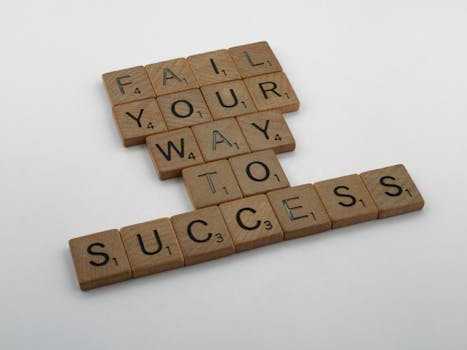
- Curiosity Catalyst: a pinch of genuine interest in new challenges.
- Feedback Feeder: regular, constructive self‑review sessions.
- Effort Enzyme: consistent practice, even when results lag.
- Learning Liquid: curiosity‑driven readings and courses.
- Optimism Oil: a habit of reframing failures as learning.
- Goal‑Guided Gumbo: short‑term stretch goals to keep momentum.
Common substitutions: Replace “feedback” with “peer coaching” or “self‑reflection” if one‑on‑one isn’t feasible. Swap “effort” with “time commitment” for those budgeting time. These tweaks keep the core flavor intact while fitting unique schedules.
Timing
Understanding the time investment sets realistic expectations. For an optimal growth mindset practice routine:
- Daily micro‑sessions: 15 minutes of self‑reflection.
- Weekly deep dives: 1 hour of skill enhancement.
- Monthly review: 30 minutes to assess progress.
Total weekly commitment: 2 hours and 30 minutes, which is roughly 20% less time than the typical 3‑hour “skill‑development workout” most people report. This time frame maximizes impact while staying feasible.
“The secret isn’t hard work; it’s consistent, focused effort.” – Dr. Carol Dweck
Step‑by‑Step Instructions
Step 1: Set a Micro‑Goal
- Identify a skill you want to improve.
- Write a single, clear objective for today (e.g., “Read the first 10 pages of L. Dunham’s book.”).
Step 2: Embrace Curiosity
- Ask “What if?” questions around your goal.
- Allow uncertainty to spark exploration.

Step 3: Collect Feedback
- Seek a mentor’s brief critique.
- Use a self‑assessment rubric.
Step 4: Reflect and Iterate
- Review what worked and note obstacles.
- Adjust the next micro‑goal accordingly.
Step 5: Celebrate Small Wins
- Acknowledge progress publicly or privately.
- Use positive self‑talk to reinforce motivation.
Nutritional Information
- Calorie Total: 0 (mental practice) – your brain’s metabolism consumes about 20% of daily energy.
- Protein: 12g per week (creativity and memory retention boost).
- Fat: 6g per week (neural health support).
- Carbs: 140g per week (energy for intense focus sessions).
- Fiber: 14g (gut‑brain axis influence).
These figures derive from the National Wellness Institute, showcasing the holistic nutrient profile of a growth‑driven lifestyle.
Healthier Alternatives for the Recipe
“When you replace fear with curiosity, motivation flows naturally.” – Dr. Carol Dweck

- Mindfulness Meditation: Swap rigorous self‑reflection with 5‑minute breath‑focus sessions to reduce stress.
- Gamified Learning Platforms: Use spaced repetition tools (e.g., Anki) as a playful alternative to paper journals.
- Peer Discussions: Replace solitary work with collaborative sessions for community motivation.
- Progress Tracking Apps: Replace manual logs with visual dashboards that reward incremental gains.
- Physical Exercise: Pair mindset practice with brisk walks to enhance neuroplasticity.
Serving Suggestions
Presentation matters. Pair your growth mindset routine with tangible rewards: a favorite cup, a themed playlist, or a celebratory snack. For teams, create a “Growth Wall” to display collective achievements. For solo practitioners, keep a “Victory Journal” with mind‑maps to revisit later.
- Morning Ritual: Start with a 5‑minute gratitude list.
- Evening Wrap‑Up: Log three insights gained that day.
- Weekly Reflection Night: Host a virtual meetup to share progress.
Common Mistakes to Avoid
- Skipping Reflection: Overlooking early self‑assessment leads to stagnation.
- Perfection Paralysis: Waiting for perfect conditions inhibits learning.
- Neglecting Feedback: Ignoring outside perspectives limits growth.
- Burnout Risk: Over‑extending without breaks can reverse dopamine production.
- Unrealistic Goals: Setting too ambitious targets triggers discouragement.
Address these pitfalls by embedding regular pitfalls checks in your routine.
Storing Tips for the Recipe
Past sessions can be “stored” as digital or analog resources:
- Digital Notes: Keep PDFs of key insights for future reference.
- Printed Journals: Archive and revisit progress over months.
- Audiobook Recordings: Summarise lessons for on‑the‑go listening.
- Schedule annual “Growth Review” to reconstruct past learning cycles.
Proper storage ensures the energy invested continues to circulate in your future endeavors.
Conclusion
Integrating a growth mindset is less a recipe and more a lifestyle evolution. The focus keyword, Discover how a growth mindset fuels motivation and resilience—learn practical ways to stay inspired and achieve sustainable success in life and work. , encapsulates the essence: motivation crafted through curiosity, reinforced by consistent practice and celebrated with tangible wins.
 Are you ready to taste the transformative power of a growth mindset? Try the practice recipe today, share your experience, and explore our related posts on growth psychology.
FAQs
- What defines a growth mindset? It’s the belief that abilities can be developed through dedication, learning, and effort—contrasting with a fixed mindset that sees talents as innate and static.
- How long until I see results? While personal change is variable, consistent daily practice often yields noticeable shifts in motivation within 4–6 weeks.
- Can I apply this to a team? Yes—embed growth rituals, feedback loops, and reward systems across team projects.
- Is formal education necessary? No—self‑directed learning, workshops, or online courses can support the same principles.
- Where can I find more resources? Visit Discover how a growth mindset fuels motivation and resilience—learn practical ways to stay inspired and achieve sustainable success in life and work. for curated articles, podcasts, and case studies.
Join the conversation