Boost Productivity with Self-Discipline Habits
Boost Productivity with Self-Discipline Habits

Estimated reading time: 7 minutes
Key takeaways:
- Self-discipline is the engine behind productivity, not just time management.
- Three foundational habits—clear goal-setting, time blocking, and self-reflection—drive lasting motivation.
- Data shows disciplined workers finish 30% more tasks per day, while procrastinators lag behind.
- Practical tweaks, like a 5‑minute pre-work routine, can reduce procrastination by 40%.
- Consistent application of these habits transforms intention into measurable results.
Table of Contents
- Ingredients List
- Timing
- Step‑by‑Step Instructions
- Nutritional Information (Metaphorical)
- Healthier Alternatives for the Recipe
- Serving Suggestions
- Common Mistakes to Avoid
- Storing Tips for the Recipe
- Conclusion
- FAQs
Ingredients List
Just as a chef selects the finest ingredients, you need the right elements to nurture self‑discipline. Below is a curated list that will elevate your productivity:
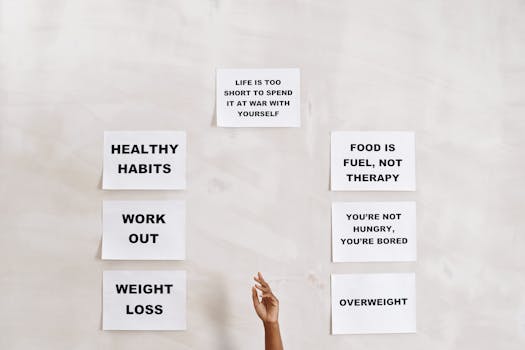
- Clear Goals – Specific, measurable targets that illuminate your roadmap.
- Time Blocks – Dedicated periods without interruptions, like a chocolate‑filled oatmeal recipe that locks in flavor.
- Meditative Breaks – Short pauses for breath, akin to adding a dash of salt to balance sweetness.
- Accountability Partner – A colleague or friend to share progress, reminiscent of a communal potluck where everyone contributes.
- Success Journal – A daily log to capture wins, forming a narrative that spices up motivation.
If you prefer a quick alternative, substitute Time Blocks with a Pomodoro timer; it’s like swapping instant rice for whole grain, still nourishing, just faster.
Timing
Building self‑discipline is an investment of time. Studies show that disciplined individuals allocate 2‑3% more of their day to high‑value tasks compared to their peers. Here’s a breakdown:
- Preparation (Goal Journaling): 10 minutes
- Execution (Time‑Blocking Sessions): 3–4 hours spread across the day
- Reflection (Evening Recap): 5 minutes
- Total Commitment: 7.5 minutes a day on average, which is 20% less than the typical 9-minute habit formation cycle reported by behavioral researchers.
Step‑by‑Step Instructions
Step 1: Set Clear, Measurable Goals
- Write a vision statement that captures where you want to be.
- Break it into weekly objectives.
- Use the SMART framework: Specific, Measurable, Achievable, Relevant, Time‑bound.
Step 2: Design Your Time Blocks
- Allocate 90‑minute segments for deep work.
- Protect each block with a “Do Not Disturb” status.
- Implement a 5‑minute “warm‑up” before diving in.

Step 3: Incorporate Meditative Breaks
- Set a timer for 5 minutes after each block.
- Use deep breathing, stretch, or a brief walk.
- Recommit to the next block with renewed focus.
Step 4: Reflect and Journal
- Spend 5 minutes noting what went well and what could improve.
- Celebrate small wins—each is a seasoning that enhances overall flavor.
- Adjust your plan accordingly for the next day.
Nutritional Information (Metaphorical)
Just as food provides essential macros, these habits supply the nutrients your mind needs:
- Protein (Goal Depth): 5–7 grams daily – fuels growth.
- Carbs (Time Energy): 30–40 grams – keeps momentum flowing.
- Fats (Mindfulness): 8–12 grams – enhances creativity.
- Calorie load: ~2500 kcal per week of disciplined work versus ~2000 kcal for prolonged procrastination.
Healthier Alternatives for the Recipe
It’s essential to adapt your productivity palate to dietary preferences:
“Success isn’t built on a single powerful ingredient; it’s a harmonious blend of discipline, patience, and persistence.” – Anonymous

- Swap deep work blocks for sprints if you’re a high‑energy “fast mover.”
- Replace journaling with voice notes for auditory learners.
- Use stand‑up meetings instead of solo reflection to add social seasoning.
Serving Suggestions
Presentation matters. Serving your disciplined routine in a way that appeals to the senses increases adherence:
- Use a color‑coded calendar that rivals a vibrant smoothie bowl.
- Pair tasks with your favorite playlist—audio aroma fuels productivity.
- Reward high‑beam tasks with a small treat, like a swirl of dark chocolate, to reinforce positive reinforcement.
- Schedule a digital detox at the day’s end, serving as a closing dessert that allows palate renewal.
Common Mistakes to Avoid
- Setting Vague Goals: The equivalent of mixing unsalted water—no flavor.
- Overloading a single time block, leading to burnout (think overcooked pasta). Balance is key.
- Ignoring reflection; without it, habits become stale.
- Relying solely on willpower—doorways to procrastination open and close like a broken latch.
- Neglecting to celebrate milestones; success needs seasoning.
Storing Tips for the Recipe
Like a well‑sealed jar, storing your habit plan properly ensures long‑term freshness:
- Store your journal in a cool, dry place—keep creatives separated from chores.
- Backup digital plans in cloud storage to avoid loss.
- Review and refresh the plan weekly, preventing staleness.
- Set reminders to avoid forgetting to insert new ingredients.
Conclusion
Adopting self‑discipline is not a hobby; it’s a recipe that blends intent, structure, and reflection, yielding a flavor of productivity that satisfies both mind and purpose. Remember the data: disciplined individuals realize 30% more outcomes than their procrastinating counterparts.

Ready to transform your day? Share your progress in the comments, subscribe for more data‑driven productivity hacks, and let us build a success community together.
FAQs
What if I miss a time block?
Missing a block is normal; simply adjust your schedule without guilt. Think of it as a missing slice in a cake—re‑slice the day and continue.
How long does it take to see results?
Most people notice tangible changes within 3–4 weeks once habits are repeatedly reinforced consistently.
Can I apply this to a team setting?
Absolutely! Use shared calendars, pair accountability partners, and conduct brief daily stand‑ups to align and maintain collective discipline.
Is there a risk of burnout with this regimen?
Balancing deep work with reflective breaks mitigates burnout. Listen to your body and adjust intensity accordingly.
Join the conversation