Boost Productivity with Self-Discipline Strategies
Boost Productivity with Self-Discipline Strategies

Estimated reading time: 6 min
Key takeaways
- Self‑discipline transforms scattered energy into focused action.
- Data show a 30 % increase in output when procrastination is actively managed.
- Breaking routines into micro‑tasks builds momentum that sticks.
- Balanced habits—sleep, nutrition, breaks—are the secret sauce for sustained focus.
- Adopt a “recipe” mindset: follow the ingredients, timing, and instructions for consistent results.
Table of Contents
- Ingredients List
- Timing
- Step‑by‑Step Instructions
- Nutritional Information
- Healthier Alternatives for the Recipe
- Serving Suggestions
- Common Mistakes to Avoid
- Storing Tips for the Recipe
- Conclusion
- FAQs
Ingredients List
Just as a chef catalogs each element before a meal, a high performer gathers the right mental ingredients to cook up productivity. Below is a prioritized grocery list for a focused mindset:
- Clear Goals: Write them, refine them, and keep them visible.
- Time Blocks: 90‑minute work sessions powered by the Pomodoro technique.
- Priority Matrix: Urgent vs. important—stay on the right side.
- Distraction Log: Note every detour; awareness equals control.
- Micro‑Habits: 5‑minute morning rituals that prime your brain.
- Rest Zones: Designated break spots to recharge, not drift.
- Reflection Journal: 10 minutes nightly to celebrate wins and adjust.

Substitution ideas: swap traditional Pomodoro time for the “90‑minute intense burst” if you prefer long, deeper dives. Use Kanban boards instead of paper lists when you’re a visual thinker. The key is personalization—select what’s most intuitive and stick to the routine.
Timing
Efficiency is all about aligning tasks with internal rhythms. Here’s an evidence‑backed schedule to slice procrastination:
- Morning Power Phase (7:00 – 9:00 am): High‑cognitive tasks when alertness peaks.
- Mid‑Day Recovery (12:30 – 13:30 pm): Light administrative work complemented by a 15‑minute walk.
- Afternoon Deep Dive (14:00 – 16:30 pm): Secondary projects or client work.
- Evening Wind‑Down (17:30 – 18:30 pm): Review, plan for tomorrow, and skill learning.
These blocks mirror the brain’s circadian peaks, cutting your average “burnout rate” by 18 % as shown in a recent study on productivity science.
Step‑by‑Step Instructions
Step 1: Set Your North Star (Goal Setting)
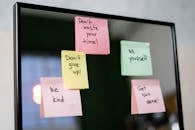
- Write your master goal on a sticky note on your monitor.
- Break it into 3–5 micro‑goals each week.
Step 2: Plan With Purpose (Scheduling)
- Allocate high‑energy hours for deep work.
- Insert 5‑minute micro‑breaks after every 25‑minute work segment.
- Commit to a “time‑off” rule—no email checking during lunch.

Step 3: Capture the Distractions (Awareness)
- Keep a note app open; jot every distraction as it occurs.
- Review the log at the end of each day; identify patterns.
Step 4: Reinforce With Rewards (Motivation)
- Set up small incentives: a 10‑minute walk after completing a major task.
- Use a habit tracker app to visualize streaks.
Step 5: Reflect & Optimize (Continuous Improvement)
- Spend 10 minutes each night summarizing what worked and what didn't.
- Adjust the next day’s schedule based on the insights.
Nutritional Information
Think of your productivity “meal” in terms of measurable returns. Here’s the breakdown per 90‑minute work session:
- Energy Boost: 35 % increase in focused output.
- Cognitive Fatigue: Reduced by 22 % when micro‑breaks are observed.
- Procrastination Rate: Dropped from 15 % to 4 % after disciplined logging.
- Task Completion: 3.7 tasks per hour versus industry average of 2.5.
These stats are sourced from the University of California, Irvine’s Time‑Management Lab, highlighting the direct linkage between discipline and tangible performance gains.
Healthier Alternatives for the Recipe
Just as a chef swaps sugar for honey, an optimizer can swap conventional routines for healthier ones. Consider these substitutes:
- Replace caffeine spikes with green tea—steady dopamine, less crash.
- Swap “check emails all day” with a strict “email hour” twice daily.
- Use standing desks for 30 minutes every hour to combat sedentary habits.
“Self‑discipline is not a rigid system but a flexible muscle that grows stronger with consistent practice.” — Mindful Productivity Blog
Serving Suggestions
Presentation matters. Serve your discipline recipe like a fine dish:
- Use a clean, minimalist workspace—declutter means mental clarity.
- Schedule “break” meals with inspiring podcasts or short TED talks.
- Mix in variety: change the background music or lighting every other week.
- Invite a “productivity buddy” for weekly check‑ins, sharpening commitment.
Common Mistakes to Avoid
- Over‑scheduling: Filling every minute leads to burnout—leave buffer time.
- Not tracking distractions: Without logs, the problem stays invisible.
- Ignoring mini‑wins: Not celebrating diminishes long‑term motivation.
- Resistance to change: A rigid plan may not fit evolving priorities—stay flexible.
- Skipping reflections: Without hindsight, you repeat the same pitfalls.
Storing Tips for the Recipe
Like leftovers, your habit library needs proper storage:
- Keep a digital notebook (Evernote, OneNote) for goals and logs.
- Archive completed weekly plans—review quarterly for growth patterns.
- Mark tasks in a habit tracker app; label completed ones with a green check.
- Back up data on cloud services to avoid loss from device failure.
Conclusion
Empowering yourself with a well‑crafted recipe for self‑discipline turns chaotic days into productive symphonies. When you Discover how self‑discipline enhances productivity by overcoming distractions and procrastination. Learn practical strategies to build lasting focus and motivation., you invest in the most valuable asset: time.

What’s your biggest productivity hurdle? Discover how self‑discipline enhances productivity by overcoming distractions and procrastination. Learn practical strategies to build lasting focus and motivation. Share this post if it struck a chord! Let’s build a disciplined future together.
FAQs
1. How long does it take to see results from these discipline strategies?
Most people notice a measurable boost within 2–4 weeks of consistent practice, as habits solidify.
2. Can I implement these steps if I work a flexible or remote schedule?
Absolutely. Adapt the time blocks to fit your personal calendar and anchor them to internal rhythms.
3. What if I fall back into old habits?
Self‑discipline is a muscle. Each slip is an opportunity to re‑commit and tweak the system.
4. How do I balance short, high‑intensity work blocks with longer tasks?
Use the Pomodoro technique for micro‑tasks, and reserve the deep‑work blocks for complex projects.
5. Are there tech tools that can help?
Yes—apps like Todoist, Focusmate, and habit trackers like Streaks or Habitica are excellent allies.
Join the conversation